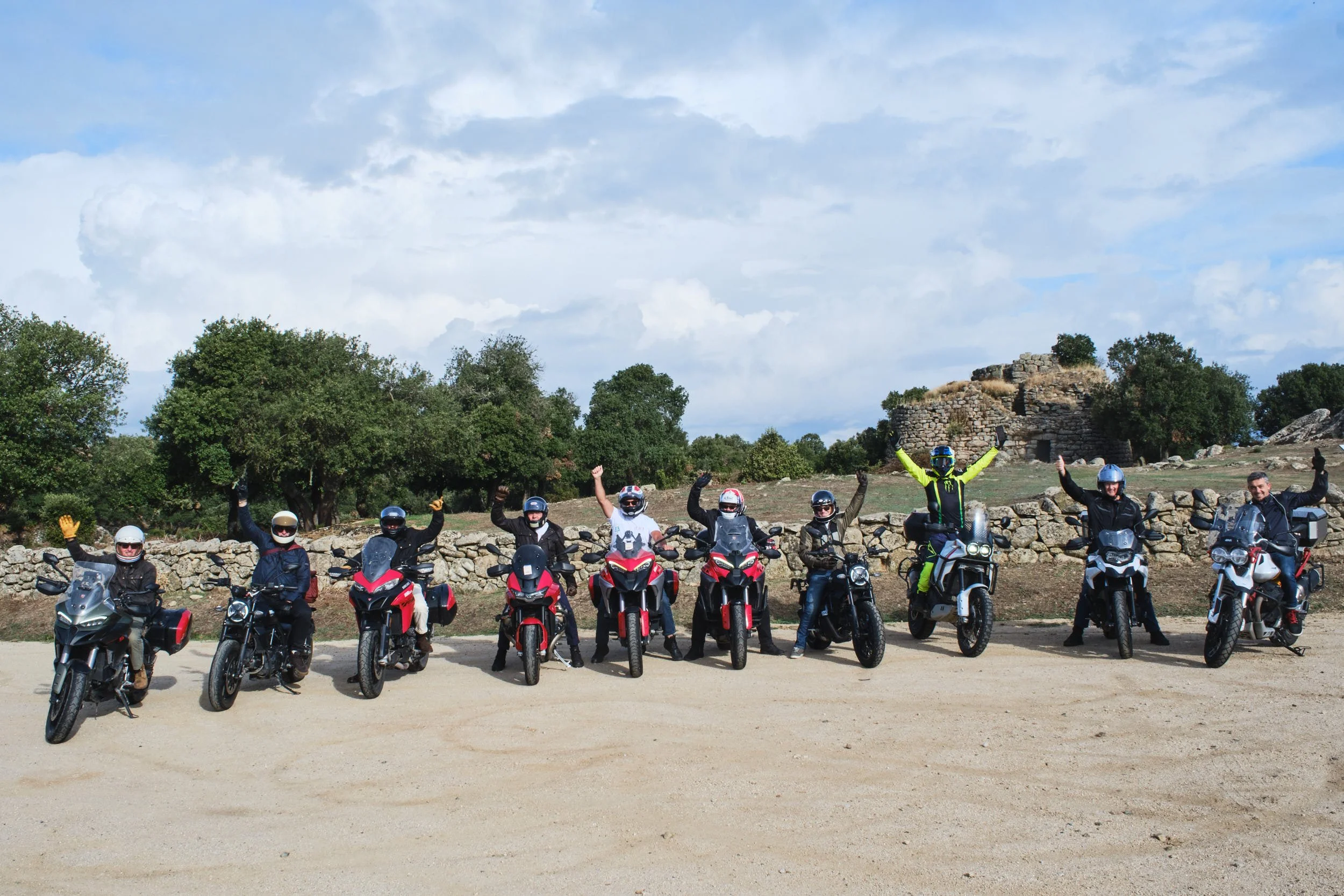
How to Choose the Right Motorbike for Your Italy Tour
Exploring Italy on two wheels is a bucket-list experience — and choosing the right bike makes all the difference.
Whether you’re cruising the Sardinian coastal roads, carving the Gran Sasso mountain range, or wandering Tuscan hills, to enjoy the ride you must feel absolutely comfortable and in tune with your bike. But with everything from adventure bikes to cruisers available in the All Routes Italy fleet, how do you pick?
Read on for our guide to choosing your motorcycle, answering many of the most asked questions.
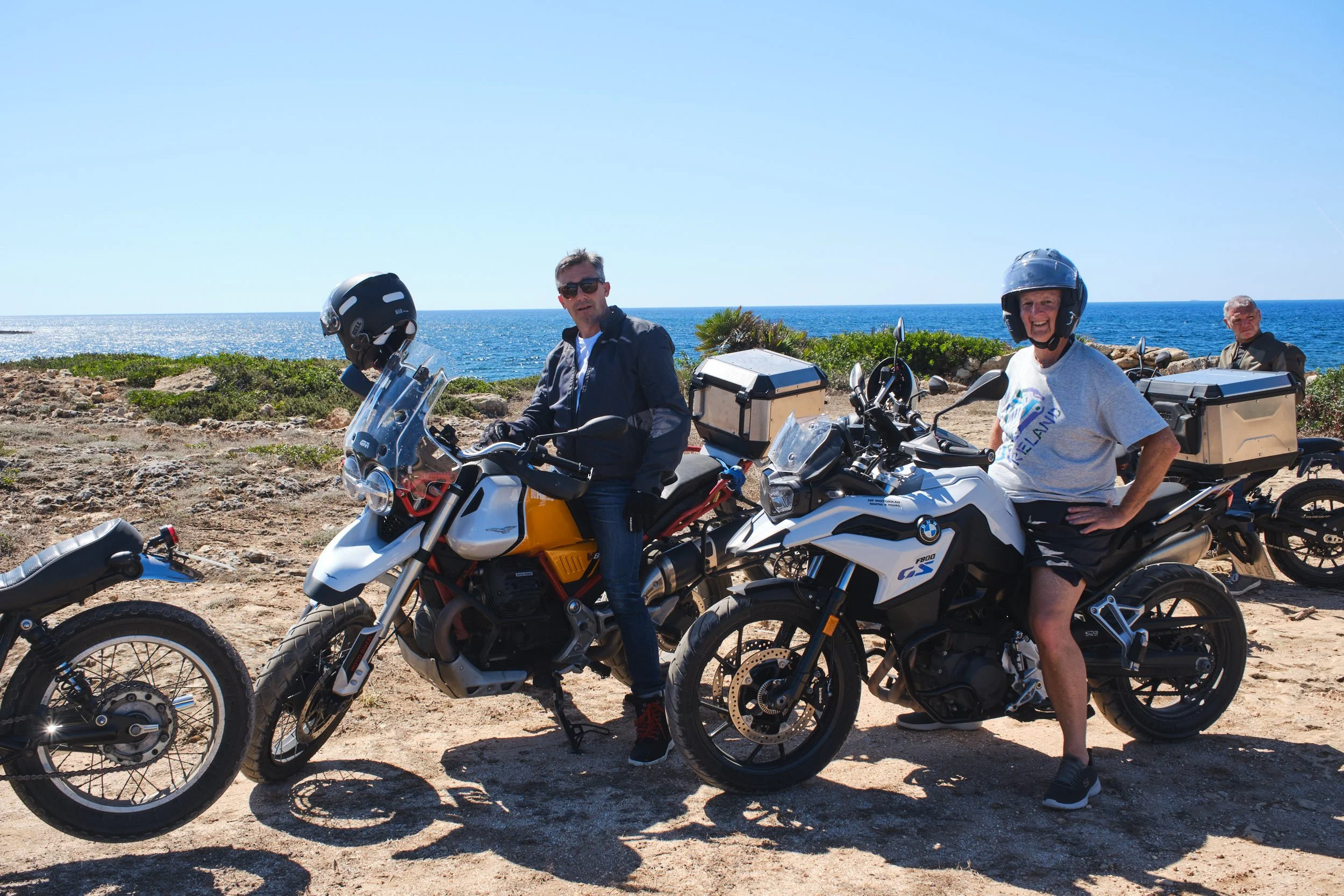
Seat Height Explained: Find the Right Fit.
Seat height isn’t just a number — it’s a measure of confidence at every stop and in every twisty corner, and for good reason. Too tall and you struggle to get both feet flat; too low and you might feel cramped or unstable.
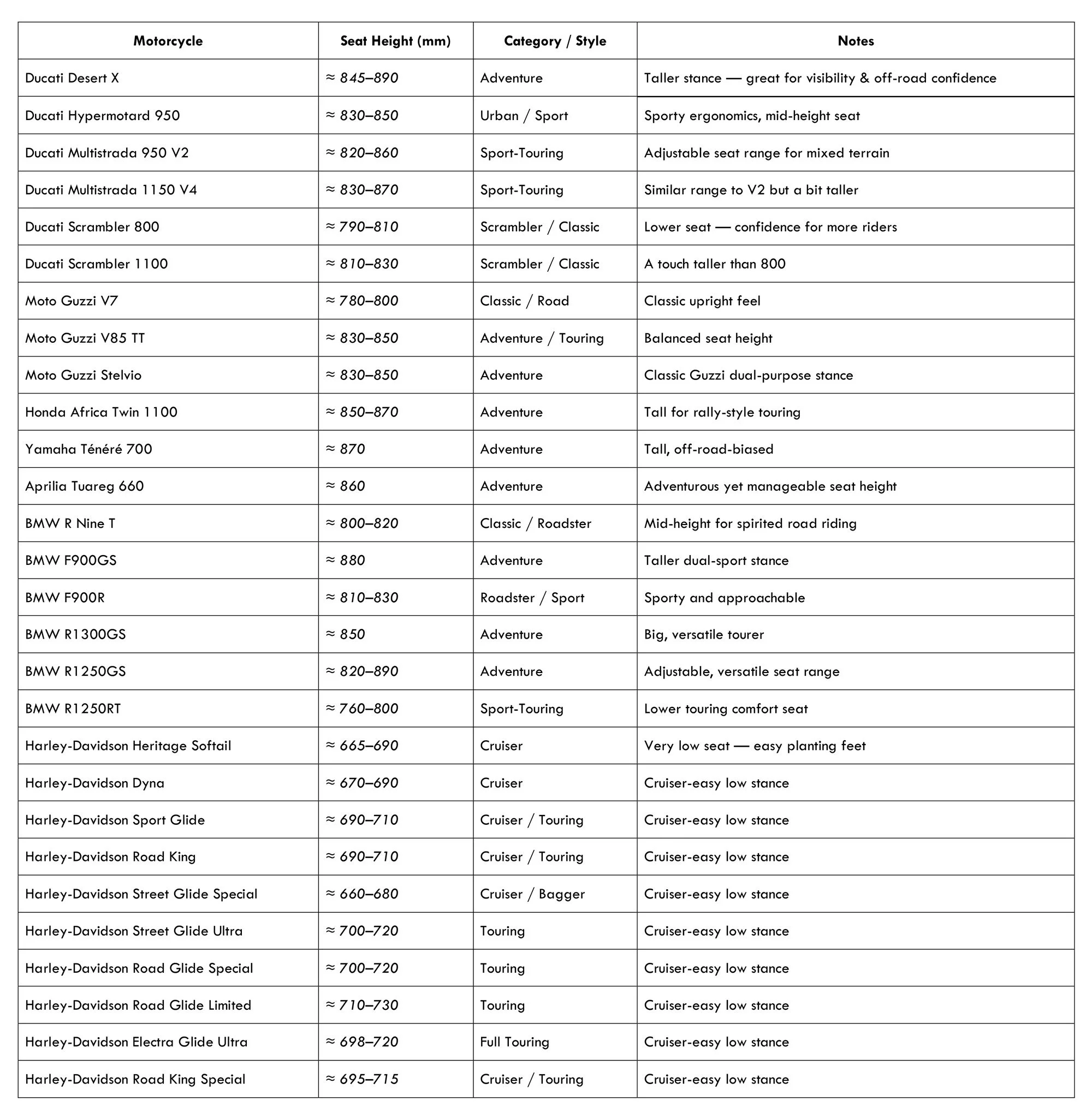
Here’s our seat-height comparison chart for the most popular bikes you’ll find available for Our All Routes Italy Tours.
Match Height With Confidence and Control
Under ~800 mm: Easier reach for shorter riders; great for cruisers or classic bikes.
~800–840 mm: Sweet spot for many touring and standard bikes — a blend of comfort and control.
Above ~850 mm: Adventure territory — excellent for long days and mixed terrain, but worth trying before committing if you’re unsure.
Seat Height & Riding Position
Seat height works hand-in-hand with riding position:
Upright (Adventure / Standard): Easier on the back, great visibility and long-distance comfort.
Sportier / Slight Lean (Roadster / Sport-Touring): More active rider posture — better on sweeps, sometimes tougher on wrists after long hours.
Laid-back (Cruiser): Relaxed, comfy for flat cruising — but less agile in tight corners.
Why Total Height is a Lie: It’s All About the Inseam
You’ll often see a bike listed at 850mm and think, "I'm 175cm, I'll be fine." But two riders of the same height can have completely different experiences based on their inseam (leg length) and the seat width.
The Arch Factor: A wide seat (like on a BMW GS or a large Cruiser) forces your legs out, effectively making the bike feel taller. A narrow "waist" (like on the Ducati Multistrada V2) allows your legs to drop straight down, giving you better ground reach even if the seat is high.
The "One-Foot" Rule: You don't need both feet flat to be safe in Italy. In fact, most pro riders favor the "Left Foot Down" technique at stops. This keeps your right foot on the rear brake—essential for those uphill starts on Tuscan ridgelines.
Our Fleet Tip: If you are nervous about height, ask us about low-seat options. Many of our bikes, including the Africa Twin and BMWs, have adjustable factory seats that can drop the height by 20–30mm in seconds.
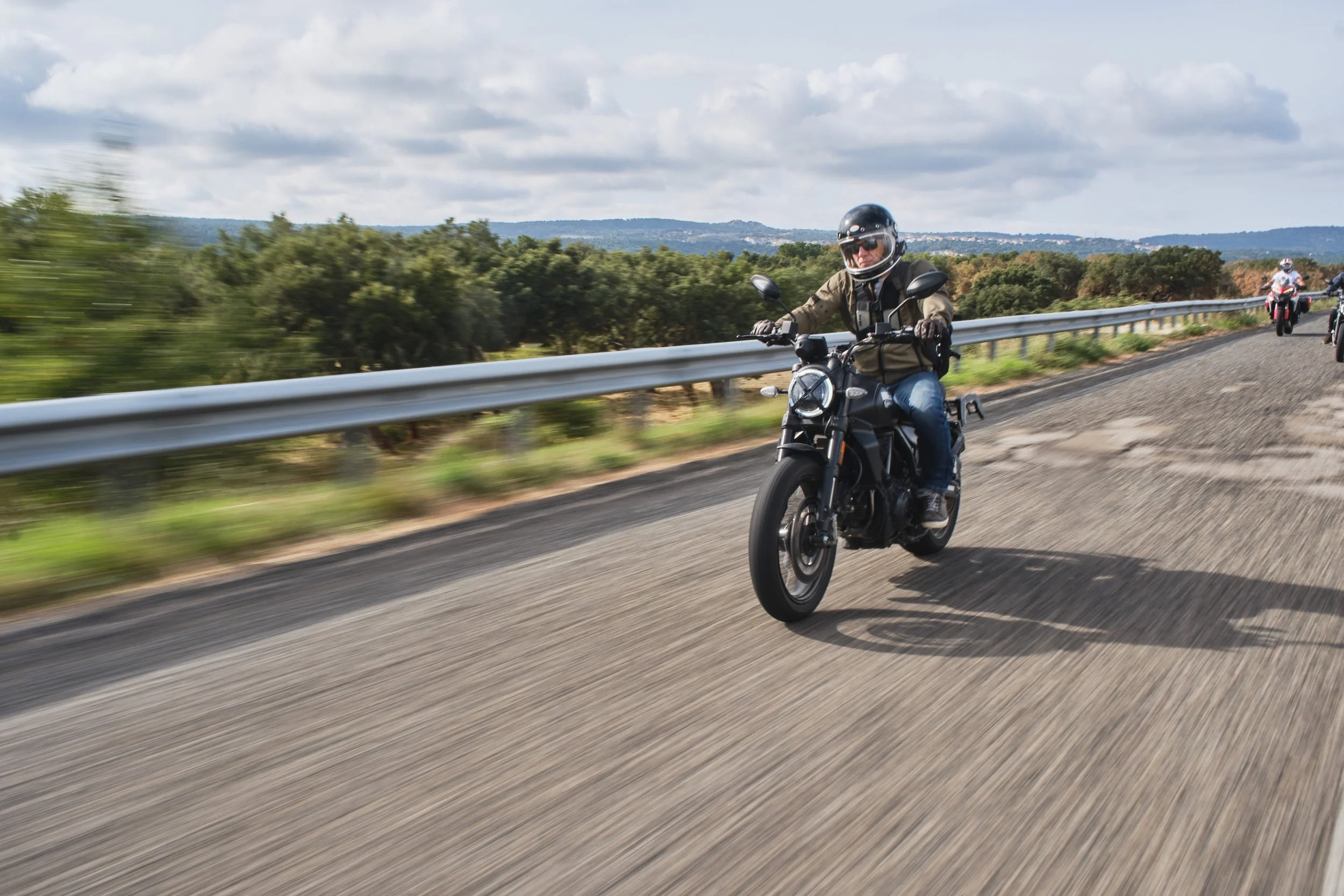
Happy Pillion, Happy Tour: Choosing for Two
If you’re touring as a couple, your partner’s comfort is the most important spec on the bike. A passenger who is cramped or sliding forward will ruin the handling for the rider.
Top Picks for Two-Up Riding:
The "Gold Standard": BMW R1250GS / R1300GS. The separate seating levels and massive grab rails make this the most stable platform for a passenger.
The "Sporty Couple": Ducati Multistrada V4. Perfect if your pillion enjoys a more active, engaged feel in the corners but still wants premium padding.
The "Style Icon": Moto Guzzi V7. Best for shorter, scenic day-trips where the "cool factor" of a classic Italian bike outweighs the need for long-distance suspension.
Pro Tip for Couples: On our tours, we provide top boxes with backrests as standard. This single accessory changes the game, allowing the passenger to lean back and relax while you focus on the hairpins.
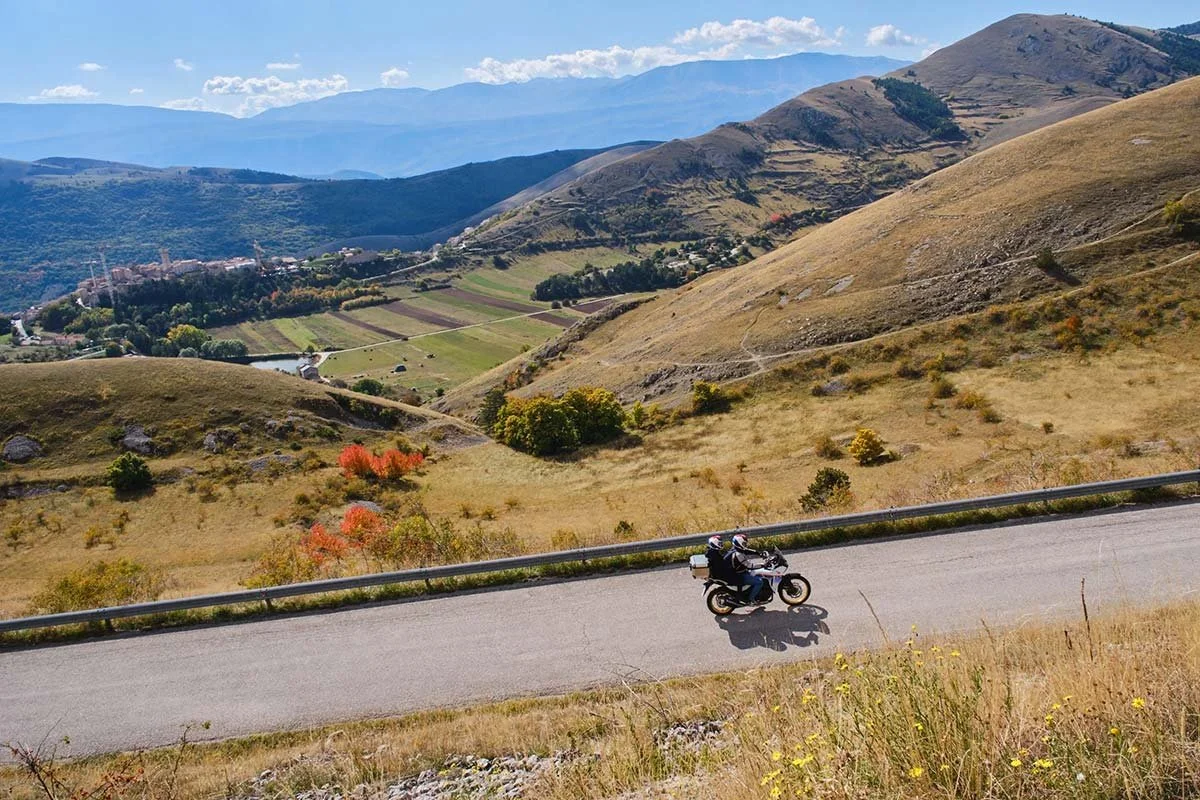
Choosing the Right Bike Type for Your Riding Style
Each type has its own vibe — and sometimes, it’s worth trying something new. Maybe back home you always ride a naked bike, but an adventure model opens up a whole different touring world. That’s part of the All Routes Italy experience: experiment with different modern top-brand bikes and discover what suits you best.
Adventure Motorcycles for Italy’s Mountains and Mixed Roads
Ténéré 700, Africa Twin, BMW GS line…
Best for mixed terrain
Upright seating, great visibility
Fantastic for long days in the saddle
Sport-Touring and Standard Bikes for Curves and Distance
Multistrada V2, Multistrada V4, Guzzi Stelvio…
All-purpose champs
Balanced ergonomics
Great for riders who love curves and comfort
Scramblers and Classic Motorcycles for Scenic Touring
Scrambler 800, Moto guzzi V7…
Fun, stylish, and engaging
Perfect for scenic touring with character
It should feel lighter and more playful
Cruiser Motorcycles for Relaxed Roads
Harley Davidson
Relaxed, laid-back vibes
Ideal for extra long tours and scenic cruising
Lower seat heights anchor confidence
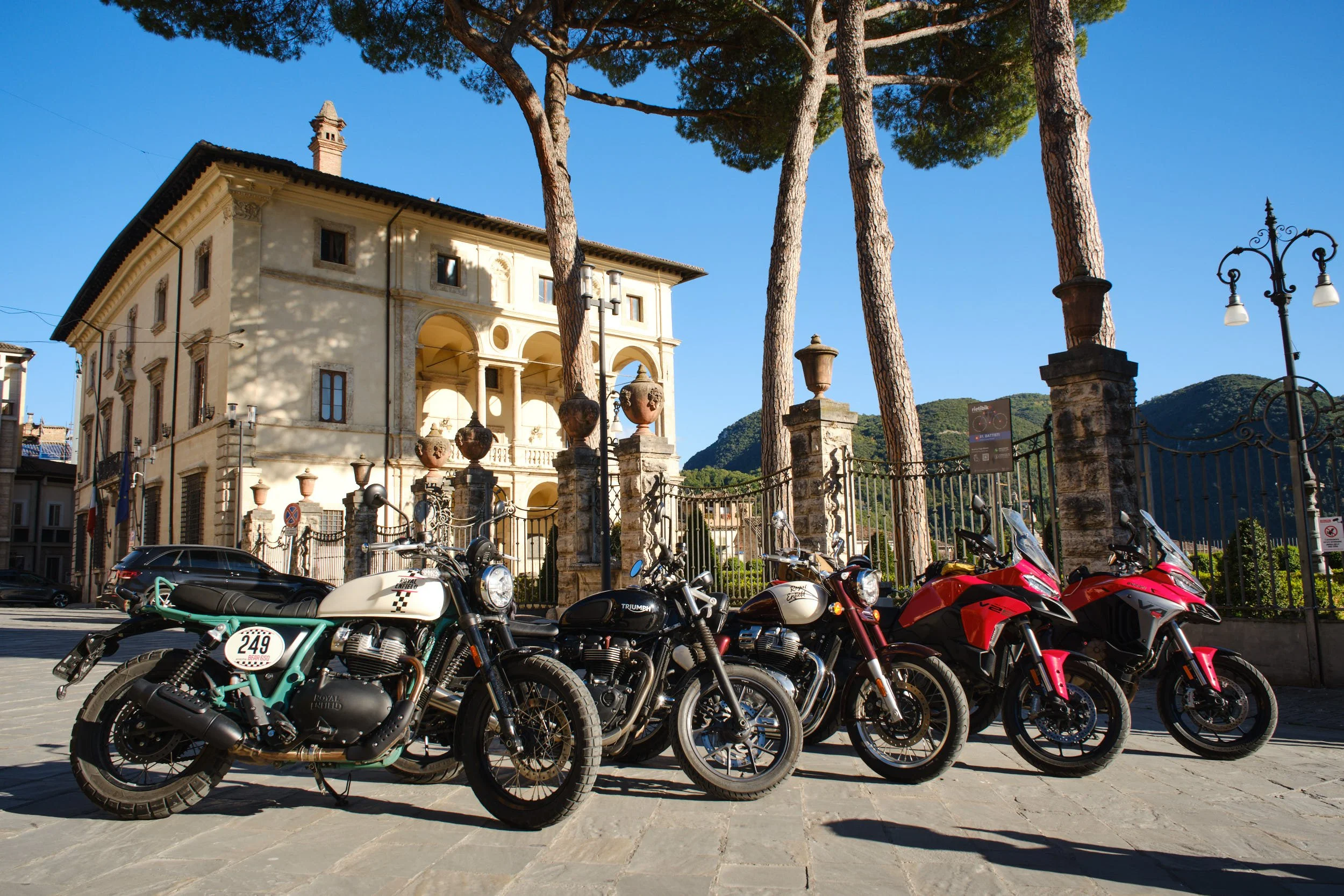
Riding Position: Comfort vs Sportiness
How upright your torso is (and how you hold your wrists and shoulders) seriously affects how you feel after 5 versus 500 kilometers.
Adventure & Dual Sport: Upright, relaxed shoulders, easy sight lines — great if your back matters (or you love seeing the scenery before the road beneath you). Excellent visibility and comfort, but the taller stance can feel a bit less flickable in tight hairpins.
Touring / Sport-Touring: Slight forward lean that balances comfort with dynamic ability. Great for riders who like a mix of twisties and straights.
Cruisers: Laid-back — feet forward, hands relaxed — ideal for peaceful cruising and long straights, but can be less engaging in tight, technical corners. Sometimes you can even play music form its stereo ;-)
Your riding position should match your body type and style: tall riders often enjoy the roominess of ADV bikes, while shorter riders might prefer a lower standard or cruiser that keeps both feet on the ground comfortably.
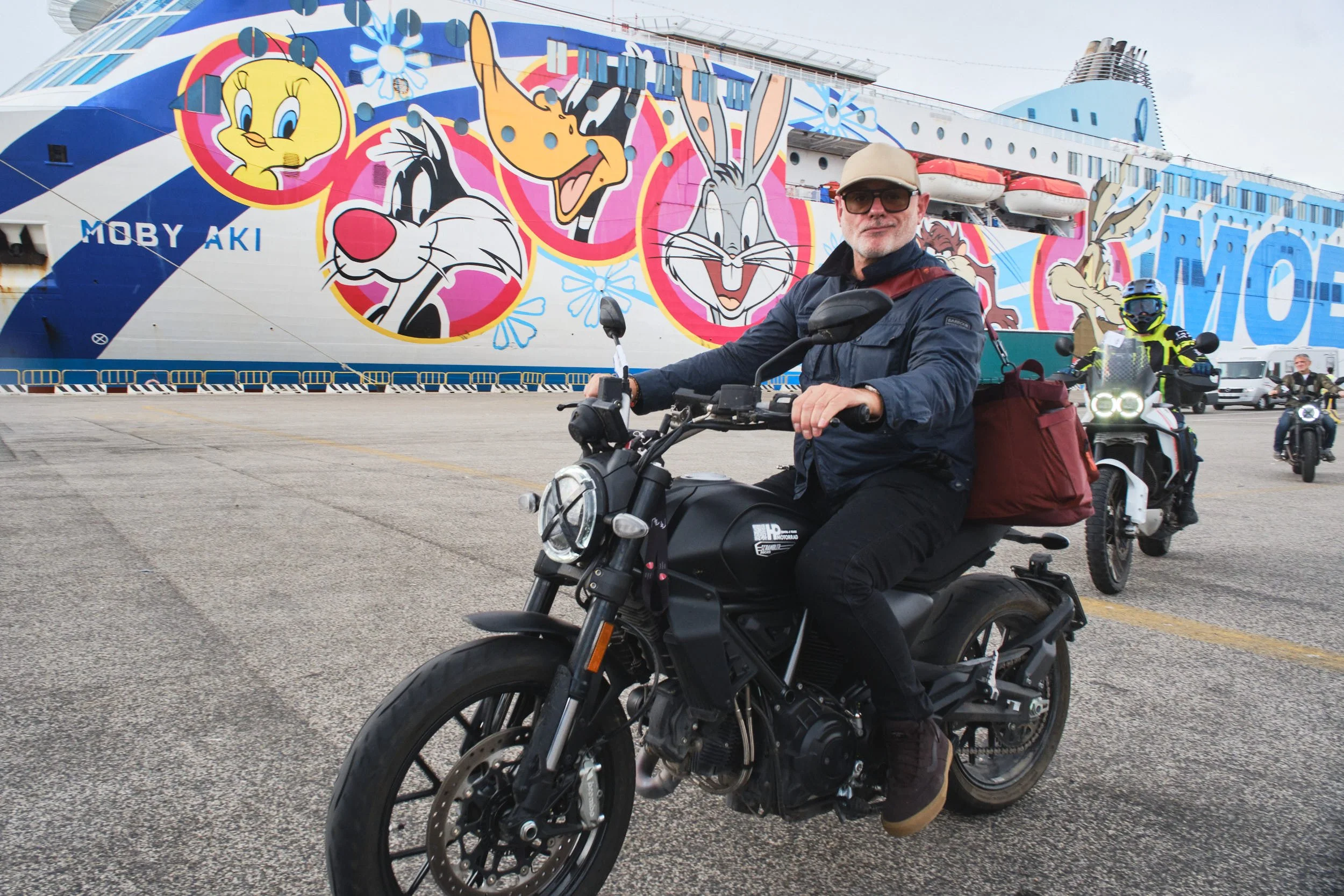
Weight & Centre of Gravity: Feel It Before You Choose
Weight of course affects how the bike feels turning, parking, and stopping, but it shouldn’t be intimidating if you know your capabilities and how weight distribution works.
Heavier bikes like the Harleys feel planted and stable both when stationary and at speed thanks to low center of gravity and cruiser ergonomics - but they can be harder to throw around corners and move around traffic. Lighter bikes (like scramblers and smaller adventure bikes) are nimble, but they require more finesse when stationary or loaded with luggage. Heavier taller bikes (like the big GSs , Africa Twin, etc.) require more confidence and decisive action in case of lost balance.
On All Routes Italy tours your luggage travels comfortably in the support vehicle, but for any other occasion remember that where you place your luggage matters too: keep heavy gear low and close to the bike’s center line to minimise handling changes as you ride.
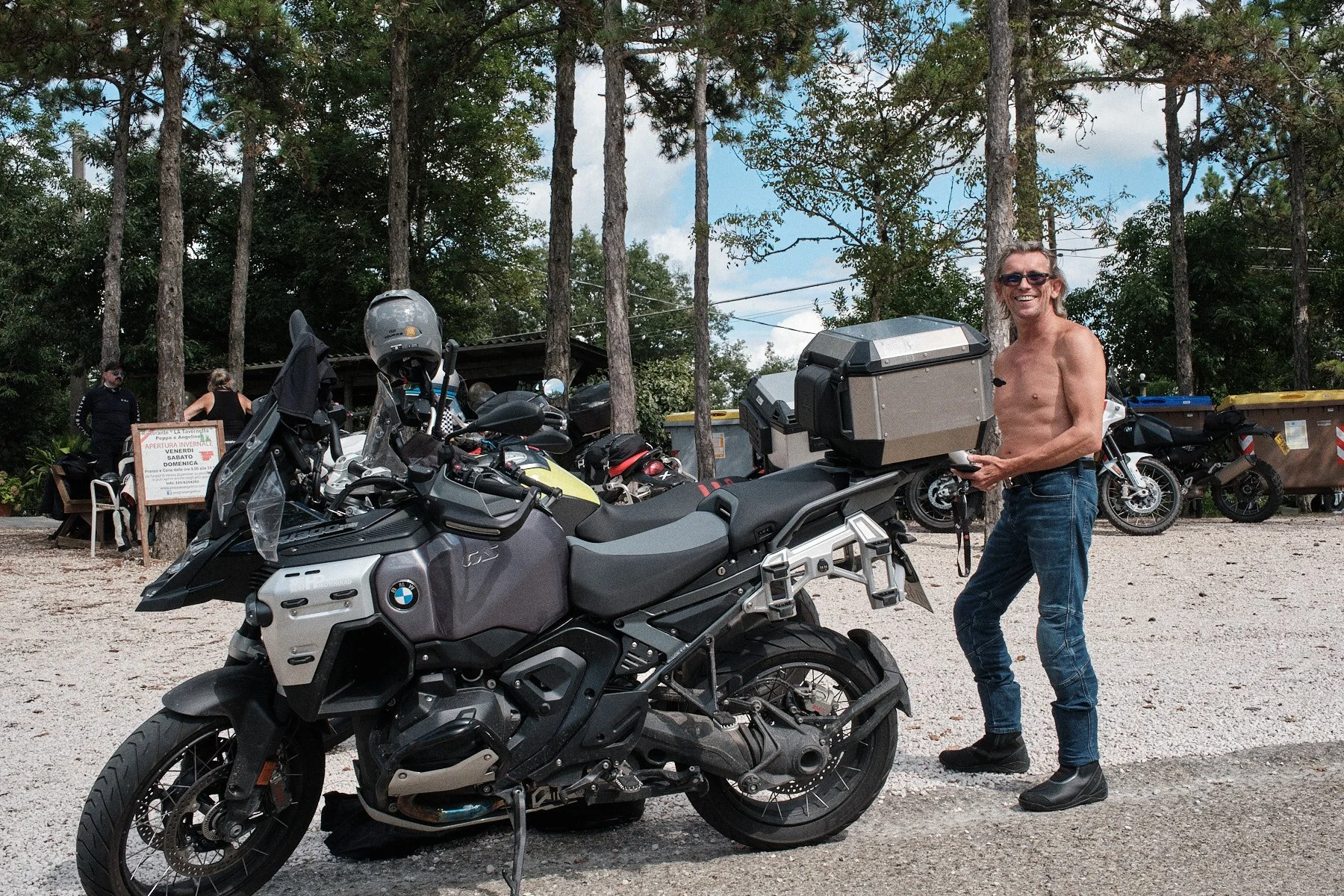
Weight Distribution: Why "Light" Isn't Always Better
In the mountains of the Gran Sasso, a heavier bike (like a Harley or a big Adventure bike) can actually feel more "planted" and stable against crosswinds.
The All Routes Italy Secret: The reason most people struggle with heavy bikes is the luggage. A bike loaded with 30kg of panniers becomes a different beast.
Because we carry your luggage in our support van, you get to experience the bike exactly how the engineers intended: unburdened, agile, and fun. You get the stability of a big tourer without the "top-heavy" wobble of packed suitcases.
Pro Tip: The Ducati Multistrada V2 and V4 have an advanced panniers system to balance the bike that shifts them right and left as you lean in the corners.
Final tips for choosing your motorcycle in Italy.
Choosing the right bike isn’t just about horsepower or styling — it’s about how you feel on it, how comfortable you are with its height, how confident you are handling its weight, and how well its riding position matches your body and touring style.
Italy is a place to feel the journey as much as ride it. Pick a bike that invites you to lean in, look around, and smile.
Safe riding!